

The Member Lounge
Everything here is built for student athletes and the families beside them. Start where you are.
Sign in to see your dashboard
Your completeness meter, profile views, coach activity, and streak appear here once you create your free account.
Featured Athletes
Four athletes from our board, one from each class, refreshed every few days. Tap any of them to see exactly what a college coach sees when they open a page here.
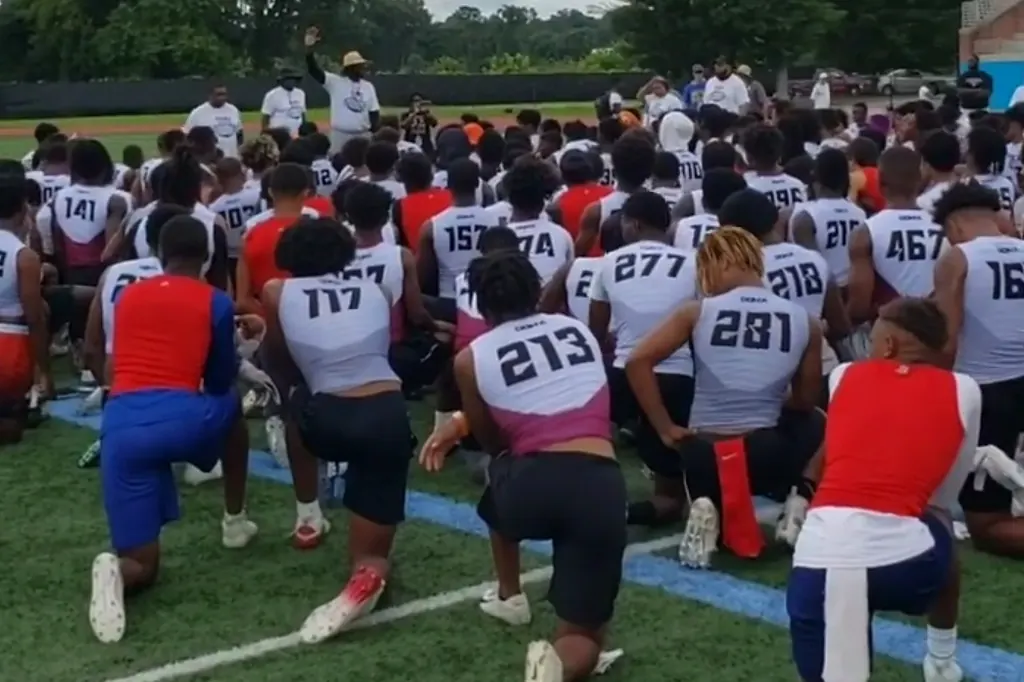 Members of the Keys to the Journey community at a recruiting camp
Your five keys
Each key fills with gold as you do the work behind it. A strong Drive key next to an empty Balance key is telling you something. Recruiting is one lane on this road, not the road.
Loading today’s key…
Everything you need, one floor
Edit My Profile
Your bio, film links, and social links, in your words. Claimed athletes edit here; changes show on your public page immediately.
My Profile
Academics, athletics, film, arts, instruments, hobbies, visits, socials, and your one shareable link.
Eligibility Tracker
Your real coursework checked against NCAA requirements, with warnings early enough to matter.
Schedules & Visits
Your games, college games near you, and campus tours worth the drive.
Rankings & Recognition
State and national standing by sport and class, plus milestones and spotlights.
Question of the Day
One real recruiting question daily, with the full reasoning behind the answer.
College Directory
Staff contacts, virtual tours, and the answer to who you should actually email.
The Get Recruited Playbook
Most profiles fail for the same handful of reasons. Here is how to avoid every one of them.
Tap any lesson to open it. Free, no account needed.
Lesson 01 · 4 minThe first eight seconds
A recruiting coordinator may open sixty highlight films in an afternoon. They are not watching to enjoy your season. They are scanning for a reason to keep watching, and they decide in well under a minute.
Do this: put your three best plays first, before anything else. Not your first three plays of the season, your three best. Then everything else in whatever order you like.
Frame one should hold your name, graduating class, position, height and weight, and one contact route. A coach who loves your film and cannot find your name will not hunt for it.
Spotlight yourself on the first clip of each play, not the whole clip. A circle that never leaves is distracting. A circle for one second that tells the coach where to look is a gift.
Keep the whole thing under four minutes. If your best material runs out at two, stop at two.
Lesson 02 · 6 minWhy your GPA is not your GPA
The GPA on your report card is calculated from every class you have taken. The NCAA does not use that number. It builds its own, called a core course GPA, using only the sixteen NCAA approved core courses on your high school approved course list.
Why it exists: the NCAA needs one consistent measure across roughly twenty thousand high schools with wildly different grading scales and course catalogs. Counting only approved academic courses on its own scale makes the number mean the same thing everywhere.
The numbers: Division I requires a minimum 2.300 core course GPA. Division II requires 2.200. Division III sets no NCAA wide standard, so each college decides.
Where it goes wrong: electives, credit recovery, and courses not on the approved list simply do not count. Two students with identical report card GPAs can have very different core GPAs, and the gap usually surfaces senior year when it is too late.
Do this today: ask your counselor for your school NCAA approved course list, and check every course you have taken against it. Not next semester. Today.
Lesson 03 · 5 minEmailing a coach without getting ignored
Coaches delete most recruiting emails in about two seconds. The ones they open follow a pattern.
Subject line: position, graduating class, school, and one number that matters. "2028 WR / Buford HS / 4.51 forty" beats "Interested in your program" every time.
First sentence: say something specific about their program that proves you looked. One sentence. Not flattery, evidence.
Second sentence: who you are and your film link. Put the link on its own line so it is impossible to miss.
Third sentence: your core GPA and test score if you have one. Academics are half the decision and most athletes bury them.
Close with one question that requires an answer. "What are you looking for at my position in the 2028 class?" gets a reply. "Let me know what you think" does not.
Send it from your own email, not your parent account. Coaches notice.
Lesson 04 · 7 minReading a roster before you reach out
The single fastest way to waste your best email is to send it to a program that has no room for you.
Open their roster and count how many players are at your position and what year each one is. Three sophomores at your spot means they are stocked for three more seasons.
Check who they just signed. If their last recruiting class took two at your position, you are competing against a decision they already made.
Check the transfer portal effect. Programs increasingly fill immediate needs with experienced transfers, which shrinks the freshman opening. A roster heavy with transfers at your position tells you where their attention is.
Then rank your list by opening, not by prestige. A program with a real hole at your position and a coach who answers is worth ten programs that ignore you.
Lesson 05 · 5 minWhat to put in the parts that are not sports
Instruments, arts, service, clubs, and work history are not filler on your profile. They are how an admissions office and a coaching staff decide whether you belong on campus.
Be specific. "Trumpet, section leader, marching band, three years" says more than "music."
Work counts. A part time job while carrying a sport and a course load tells a coach about your time management better than any adjective you could write.
Service should be real. One sustained commitment beats six one day events. Hours matter less than continuity.
College and career interests matter most of all. Most student athletes will not play in college. The ones who name what they want to study get recruited by programs that can actually deliver it.
Lesson 06 · 6 minTurning a game into a real visit
Unofficial visits are the most underrated tool in recruiting. They cost a tank of gas, you can take as many as you want, and almost nobody uses them well.
Pair a game with a campus tour. Book the admissions tour for the morning, watch the game in the afternoon. You learn more in one day than in a month of emails.
Email the coach a week before and tell them you are coming. Short message, your name and class, the date. Some will meet you. All of them will remember the name.
Sit where you can see the sideline, not just the field. How a staff treats the players who are not playing tells you everything.
Log the visit on your profile the same night, while it is fresh. A visit history shows programs you are serious, and coaches read the pattern.

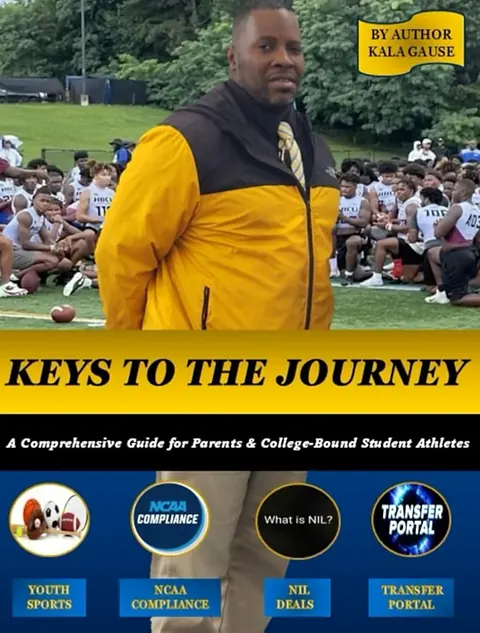
Two books. One journey. This whole site is them in practice.
Soar High, Dream Big helps the younger ones find their why. Keys to the Journey turns it into a plan: the five keys, eligibility, recruiting, and balance. Every tool here, from the Balance Center to the Prospect Page, comes from those pages.
Written for the family, not the industry
Keys to the Journey covers youth sports, NCAA compliance, NIL, and the transfer portal in language a family can actually use.
Soar High, Dream Big is timeless tales remixed for your potential, for younger students finding their footing.
Your community
Moderated spaces grouped so you find your people. Parents get their own room.
 Parents in the room
 The road to signing day
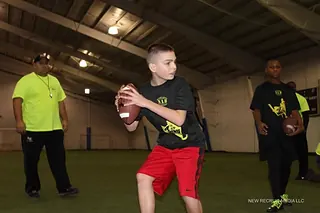 Your reps
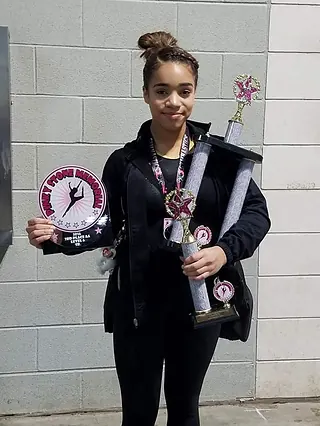 Every sport
By Sport
All nineteen sports, each with its own room, stat language, and calendar.
By Class
2027 through 2034. Same deadlines, same questions, same week.
By State
Georgia, Florida, New York, and North Carolina first. Local camps, local coaches.
Parents Only
Cost, aid, eligibility, and the questions nobody wants to ask in front of their kid.
This week across the networks
Free to read, and every card links straight to the source. A rotating look at what MaxPreps, 247Sports, On3, Rivals and ESPN are covering right now.
Headlines and links belong to their networks. Keys to the Journey is free and sends readers to them. Local journalist? Feature your stories →